
A homeowner requests an exterior painting estimate at 7:18 p.m. Your office is closed, your estimator is wrapping up a jobsite visit, and two other painting companies respond before breakfast. That is the real reason future painting sales automation matters. It is not about replacing the person who sells the job. It is about making sure a qualified lead gets a fast, useful response before the opportunity goes cold.
For painting contractors, the sale is rarely lost because the crew cannot paint. It is lost in the gap between the first inquiry and the first real conversation. Calls go to voicemail. Web forms sit in an inbox. A prospect who wanted an estimate this week gets a reply two days later. Automation closes those gaps, but only when it is built around how painting customers actually make decisions.
What Future Painting Sales Automation Looks Like
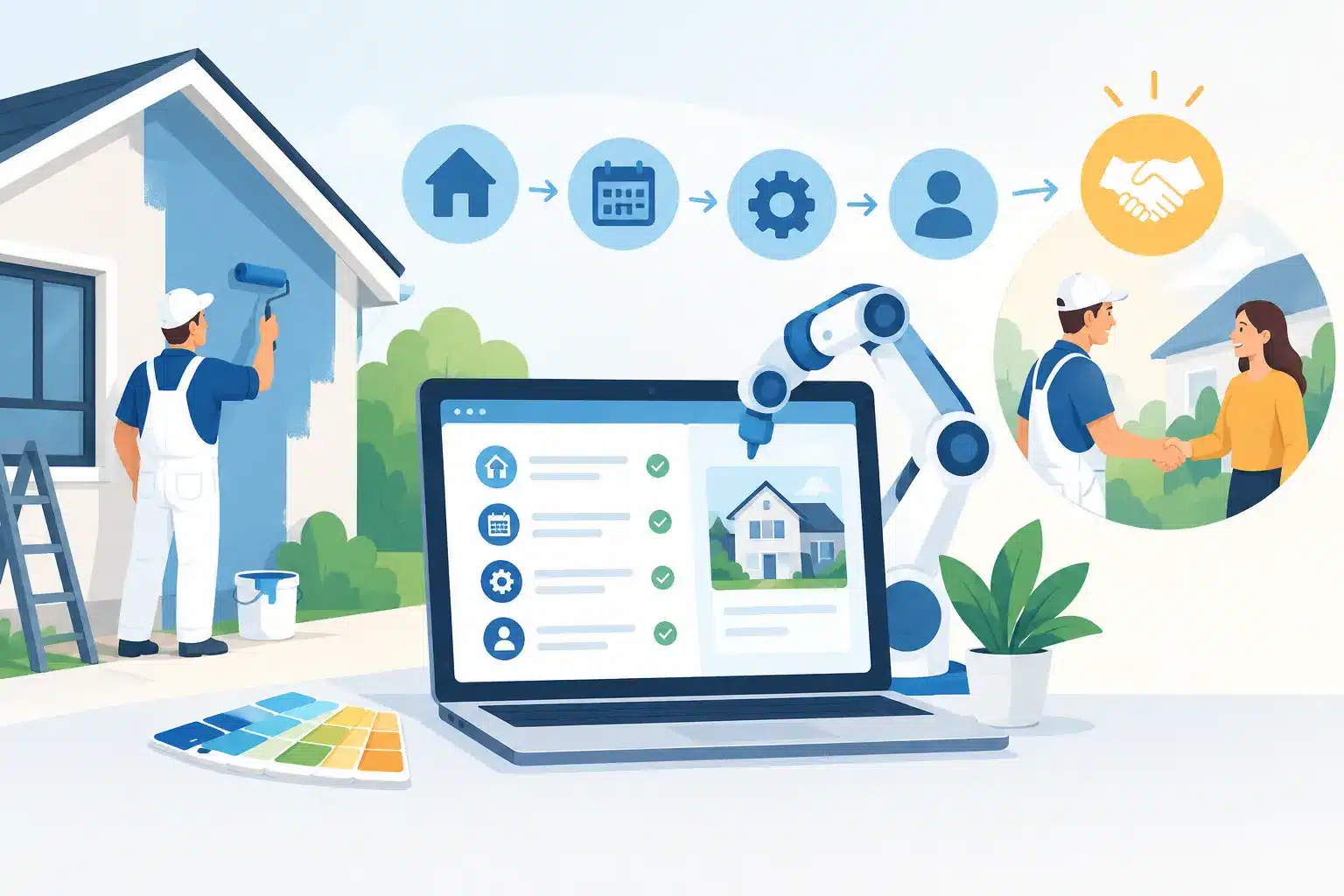
The future is not a robot sending generic messages to everyone who fills out a form. It is a connected sales process that captures the lead source, responds immediately, qualifies the opportunity, gets the estimate on the calendar, and keeps following up until there is a clear outcome.
A homeowner coming from Google Local Services Ads needs a different message than a commercial property manager who found your company through a referral. The homeowner may need confidence that you are insured, responsive, and available. The property manager may care more about project scope, scheduling constraints, and whether you can handle occupied spaces. Good automation recognizes the difference and starts the right conversation.
That means your CRM should do more than store names and phone numbers. It should tell your team where leads came from, what service they asked about, whether they answered, whether an estimate was scheduled, whether a proposal was sent, and what happened next. When those stages are visible, sales problems stop being guesses.
Fast Response Is Becoming the Minimum Standard
Painting contractors used to compete mainly on word of mouth, workmanship, and price. Those still matter. But speed now affects whether you get considered at all.
Most prospects contact more than one contractor. The company that responds first does not automatically win, but it gets the first chance to set expectations, ask smart questions, and book the estimate. An immediate text confirming the request, followed by a call from the office during business hours, is much stronger than a single email that says, “We received your message.”
The message should be specific. If someone requested cabinet painting, acknowledge cabinet painting. If they asked about exterior work, ask for the property address and timing. Give them a clear next step rather than making them figure out how to proceed.
Automation makes that immediate response possible at scale. It also protects your office staff from repeating the same basic tasks all day. The goal is not less personal service. The goal is to reserve personal attention for the moments when it moves the sale forward.
The Best Automation Handles the Follow-Up Nobody Has Time For
A large share of painting leads do not book during the first call. They are comparing bids, waiting for a spouse, planning around a move, or simply busy. If your team relies on memory and sticky notes to follow up, good prospects will disappear.
A practical follow-up workflow starts after every meaningful event. If a lead misses a call, they receive a short text asking for a better time. If they request an estimate but do not schedule, they receive a reminder with an easy booking option. If an estimate is completed but the proposal has not been accepted, the system prompts a timely follow-up based on the project type and expected decision window.
Frequency matters. Too little follow-up leaves revenue on the table. Too much turns your company into a nuisance. For a residential repaint, several helpful touches across the first couple of weeks may be appropriate. For a commercial repaint with a longer approval process, follow-up should be less frequent and more tailored to the buyer’s timeline.
The automation should stop when a customer responds, books, declines, or asks not to be contacted. That sounds basic, but poorly configured systems often keep sending messages after a real conversation has happened. That creates confusion and makes a professional company look disorganized.
AI Should Support Your Sales Team, Not Pretend to Be It
AI can answer basic questions, route inquiries, collect project details, and engage leads after hours. Used well, it can ask whether a prospect needs interior, exterior, cabinet, residential, or commercial painting. It can gather the address, preferred timeline, and best contact method. It can also offer available estimate windows.
That information gives your team a cleaner handoff. Instead of returning a vague form submission, the office starts with the scope, location, and timing already in the CRM. Your estimator can walk into the first conversation better prepared.
There is a limit. AI should not make pricing promises, evaluate complex prep requirements from a few text messages, or handle an upset customer without a human escalation path. Painting estimates depend on surfaces, access, repairs, coatings, scheduling, and jobsite conditions. Automation can qualify and organize the opportunity. Experienced people still need to inspect, advise, and close.
The best setup gives customers a fast answer while making it easy to reach a real person. That is especially important for higher-value projects, commercial work, and leads with unusual requirements.
Automation Has to Connect Marketing to the Estimate Calendar
More leads do not solve much if they are not answered or booked. This is where many contractors waste ad spend. Google Ads, Local Service Ads, local SEO, and social media campaigns can create demand, but each channel becomes less profitable when leads land in disconnected inboxes and nobody owns the next step.
Future painting sales automation connects the marketing source to the sales workflow. A lead from a Google Business Profile can trigger one response path. A referral can trigger another. A previous customer requesting a new project can be tagged differently from a first-time prospect. This lets your team see which sources create booked estimates and won jobs, not just form fills.
That data changes how you make decisions. A channel that produces fewer leads but more completed estimates may deserve more budget than a cheap lead source that rarely answers the phone. You can also identify operational issues. If one estimator has a high proposal acceptance rate and another has a low one, you have a coaching opportunity. If many leads fail to schedule, your response time or booking process may be the problem.
At Finish Coat Digital, that connection between visibility, lead capture, follow-up, and booked work is the point. Marketing should not end when the phone rings. It should support the path from first click to signed job.
Build the System Around Clear Ownership
Software does not create accountability by itself. Someone must own incoming leads, someone must own estimate scheduling, and someone must own proposal follow-up. In a small painting company, one person may handle all three. In a larger operation, those responsibilities may be split between office staff, salespeople, and estimators.
The workflow should make ownership obvious. If a lead has not been contacted within a set timeframe, create an alert. If an estimate is scheduled, assign reminders to both the prospect and estimator. If a proposal is sent, set the next follow-up task before the salesperson moves on to the next appointment.
Measure a few numbers consistently: speed to first response, contact rate, estimates booked, estimates completed, proposal acceptance rate, and revenue by lead source. These metrics tell you where the sales process is leaking. They also keep automation focused on results instead of shiny features.
Start With the Leaks You Can Fix This Month
Do not try to automate every part of your business at once. Start with the places where leads are most likely to be lost: missed calls, slow web-form responses, unscheduled estimates, and proposals that receive no follow-up.
Map the current process from first inquiry to booked job. Ask what happens after hours, what happens when nobody answers, and what happens after an estimate is delivered. If the answer is “it depends who sees it,” you have a system problem worth fixing.
The future belongs to painting companies that make it easy to do business with them. Respond quickly, follow up with purpose, keep every lead visible, and let your people spend more time advising customers instead of chasing scattered messages. That is how automation earns its place in a painting sales operation.